The Art of Experiencing Culture Without Distraction
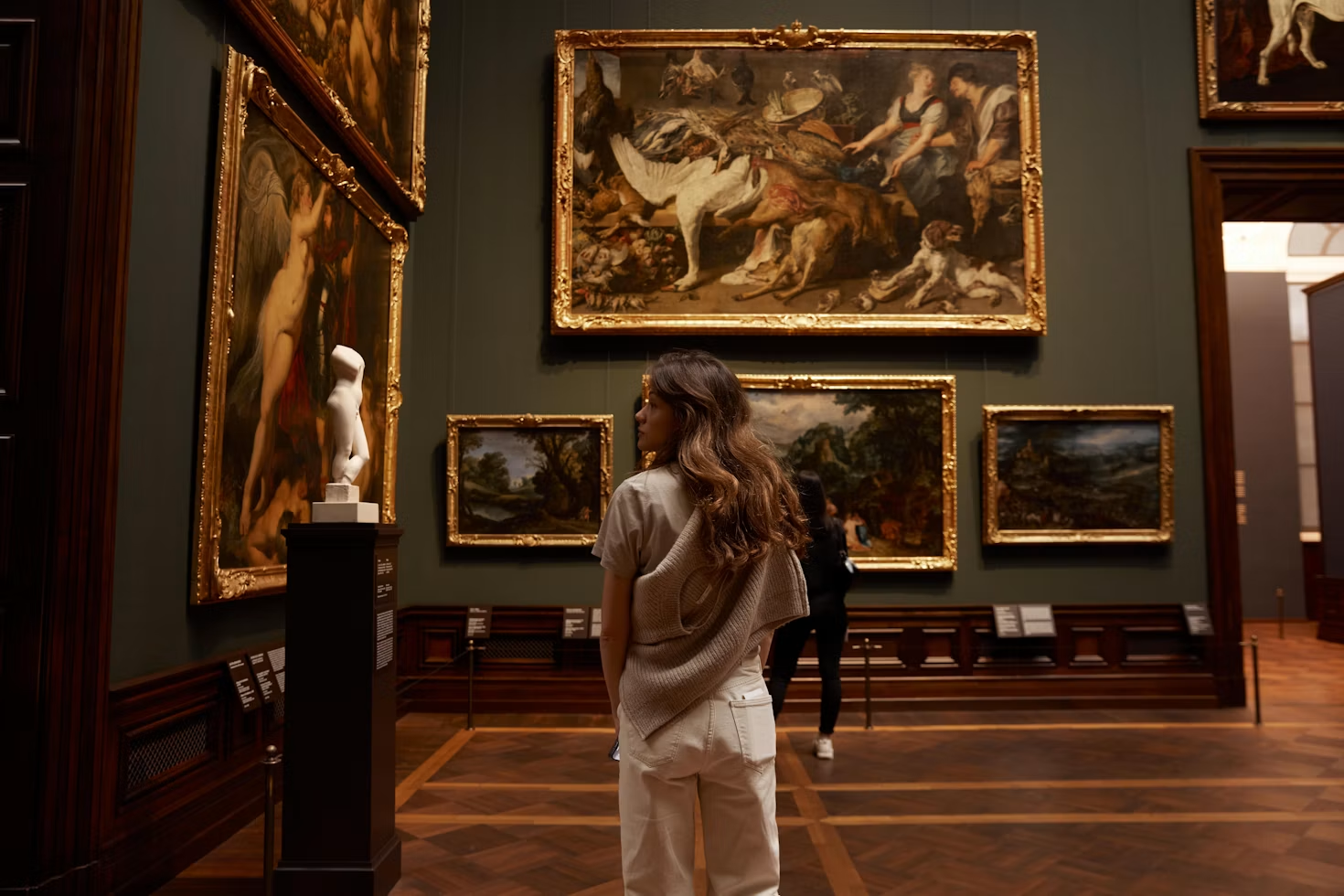
Image Credit: Unsplash
Traveling to a new city isn’t just about seeing new places; it’s about connecting with a world beyond our own. The real magic of travel doesn’t come from rushing frantically from one landmark to another. Instead, it’s found in those quiet moments of genuine connection. Think about soaking in the atmosphere of a neighborhood cafe, understanding the story behind a piece of street art, or simply watching the daily rhythm of life, all without the burden of dragging bags around. To truly experience a place, we need to learn how to travel without the distractions that pull us away from the present moment. Imagine wandering through the National Gallery of Art in Washington, DC, fully immersed in each masterpiece without the burden of heavy bags or the constant buzz of your phone.
Beyond the Tourist Checklist
It’s easy to get caught up in the tourist checklist, turning a trip into a series of photo ops instead of a collection of experiences. While iconic sites are popular for good reason, culture often lives in the spaces between them. Ditching your rigid itinerary for a few hours can really open the door to authenticity. Instead of rushing to the next spot, try wandering through a residential neighborhood, browsing a local bookstore, or asking a shopkeeper for their favorite coffee place. These small interactions are often more memorable than the view from a crowded monument. Learning how to engage with local cultures respectfully is key to making these encounters meaningful and positive for everyone involved.
Engaging with Local Art and History
Museums and historical sites offer a peek into the soul of a destination. They tell stories of triumph, struggle, and innovation that have shaped the people and the landscape. To get a fuller picture, look beyond the main national museums. Seek out smaller, independent galleries that showcase contemporary local artists, or visit a specialized museum dedicated to a unique aspect of the area’s heritage. It’s a great way to find the kind of authentic travel stories that guidebooks often miss. Engaging with these spaces provides context that enriches the rest of your visit, turning a simple walk through the city into a journey through living history. You’ll start to recognize architectural styles, understand historical references, and appreciate the city on a much deeper level.
Unencumbered Exploration Enhances Focus
Physical baggage often directly distracts your mind. When you’re worried about your belongings, dragging a heavy bag over cobblestone streets, or trying to find a place for secure luggage storage in Washington, DC, before hotel check-in, you can’t be fully present. Your focus is split, and your energy is drained. Lightening your physical load is one of the best ways to free up your mind for exploration. You can step out into the city hands-free and carefree, ready to absorb everything around you without being weighed down.
Mindful Observation and Reflection
In an age of constant connectivity, one of the biggest distractions is the device in our pocket. The urge to capture every moment for an audience can stop us from actually living in it. To truly see a place, you have to practice mindful observation. This means putting your phone away for a while and using your senses. Notice the smell of food from a street vendor, the sound of a local dialect, the texture of a historic wall, and the way the light falls in the late afternoon. Find a bench in a city square and just watch the world go by. Keeping a travel journal to write or sketch in can also be a powerful way to process your experiences and create a personal, lasting record of your journey that a camera roll could never capture.
Traveling with intention means you bring home more than just souvenirs. It fills you with stories, new perspectives, and a deeper understanding of the world. By choosing to engage without distraction, you create space for the kind of travel that truly changes you.